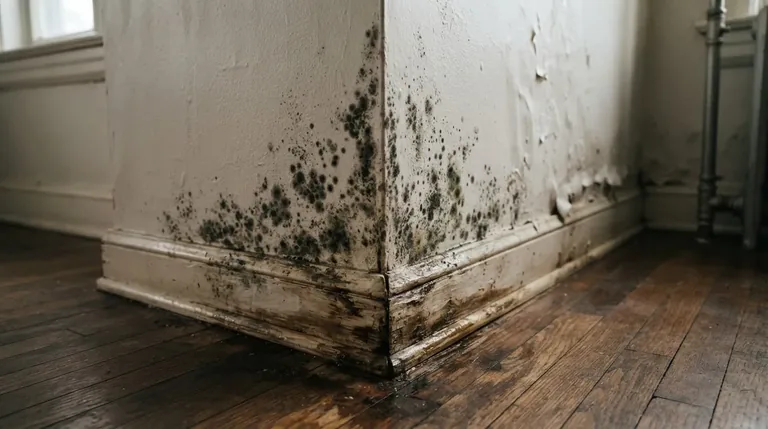
Mold After Water Damage in Olive Branch, MS: What to Know
FEMA says items holding moisture can develop mold within 24 to 48 hours. MSBOC lists mold remediation as a commercial Hazardous Materials classification; ask any provider what license applies.
How Soon Mold Can Start in an Olive Branch House
FEMA, EPA and CDC each mention 24 to 48 hours in connection with wet materials. FEMA describes how soon moisture-holding items can develop mold. EPA describes conditions that generally prevent growth, and CDC advises prompt drying after a flood. Wet materials in your home are what all three statements are about.
- FEMA (Ready.gov flood fact sheet): "Wet carpeting, furniture, bedding and any other items holding moisture can develop mold within 24 to 48 hours."
- EPA (Mold Course, Chapter 4): "In most cases, mold will not grow if wet or damp items are dried within 24-48 hours."
- CDC: "Clean up and dry out your home fully and quickly (within 24–48 hours) after a flood."
The sources are the Ready.gov flood fact sheet, the EPA Mold Course, Chapter 4 and the CDC mold health page. If the water came from a leak overhead, see the ceiling leak guide for Olive Branch.
What Mississippi Regulates and What It Does Not
MSBOC's classification list places mold remediation in its commercial Hazardous Materials specialty, and its residential classifications do not mention mold. The Mississippi State Department of Health says it does not perform mold removal, and that serious mold problems may require professional removal. Contractor licensing rules for rebuilding work depend on the total cost of the job.
| Rule | What it says | Source | Verified |
|---|---|---|---|
| Mold remediation license class | Listed under the commercial Hazardous Materials classification; the residential classifications do not mention mold | Mississippi State Department of Health | Checked: September 2026 |
| Health department role | Does not perform mold removal; serious cases may need professional removal | Mississippi State Department of Health | Checked: September 2026 |
| Remodeler license | Required for residential improvement work above $10,000 | Miss. Code §73-59-1, MSBOC | Checked: September 2026 |
| Residential builder license | Applies to new residential construction above $50,000 | Miss. Code §73-59-1, MSBOC | Checked: September 2026 |
| Unlicensed residential work | Unlawful for a contractor to perform residential construction or improvement without a valid license | MSBOC | Checked: September 2026 |
Whether a particular mold job counts as remodeling is a question for MSBOC. See its classifications page for the license categories.
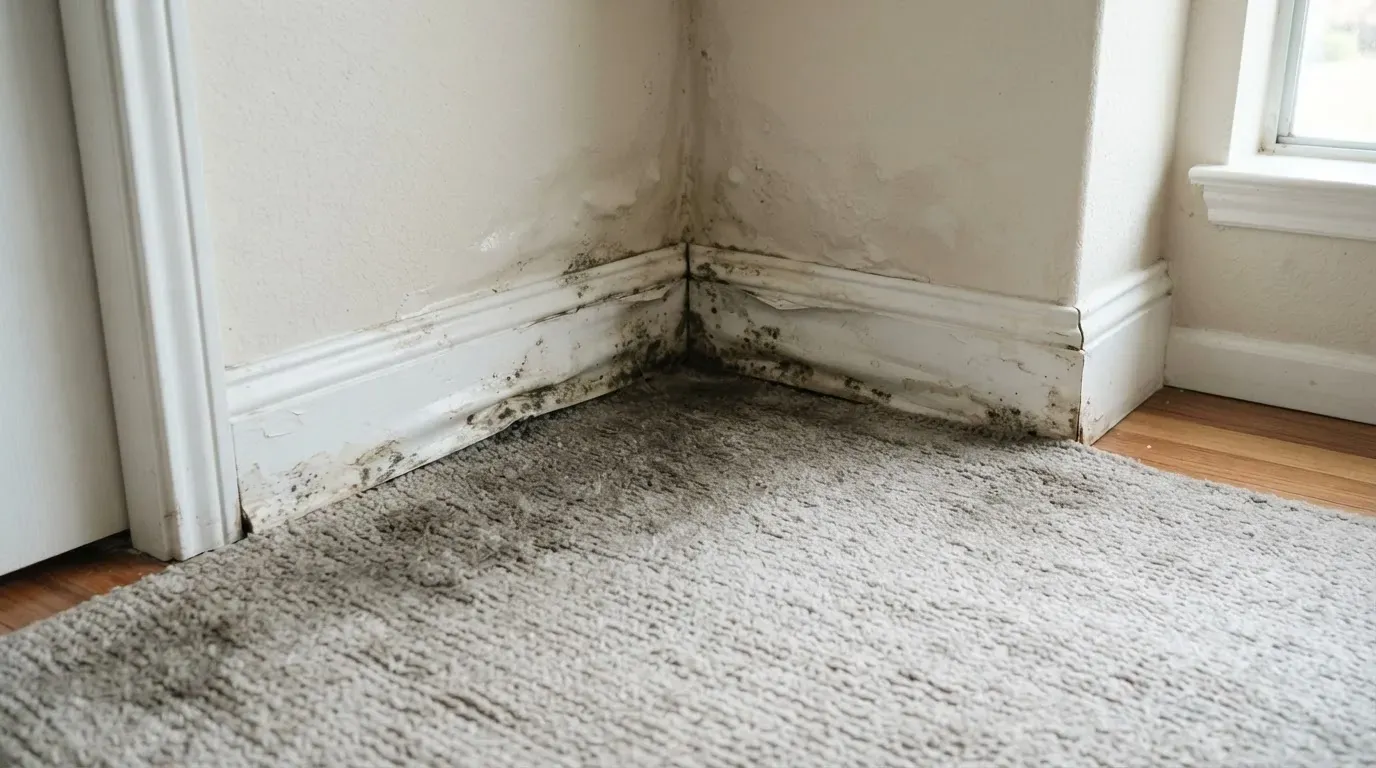
Testing and What Health Agencies Say
Routine mold testing is not the recommended first step. The Mississippi State Department of Health does not recommend testing as the first step, and it says few standards exist for judging an acceptable quantity of mold. Homeowners must pay a contractor for sampling, which public health agencies do not usually do. Start by finding out why the area is wet.
- Fixing the moisture source comes first; EPA's wording ties mold growth to items staying wet or damp.
- Visible mold is removed or cleaned; testing is not the first step in health-department guidance.
- If a provider offers testing, ask what will be sampled, who will interpret the results and what the results will change.
- Get any testing and removal terms in writing before work starts.
The Mississippi State Department of Health says there are few available standards for judging what is an acceptable quantity of mold. A test result alone may therefore not tell you whether a home is safe, which is why the questions above matter before you pay for sampling.
What to Ask Before You Hire
This site is a referral service that helps homeowners find a local water damage restoration provider; it is not a contractor. Before you agree to any mold or drying work, ask the provider for proof of insurance and any trade license the job requires, and get a written scope and an itemized estimate.
- Ask for proof of insurance.
- Ask which trade license, if any, the work requires, and confirm it with the issuing board.
- Ask for the scope of work in writing, including what is being removed and what is being dried.
- Ask how the provider will document moisture readings, so you and your insurer can see what was wet and what was dried.
- Compare the estimate with your insurer's adjuster estimate. Cost depends on the water source, the area affected and the materials involved.
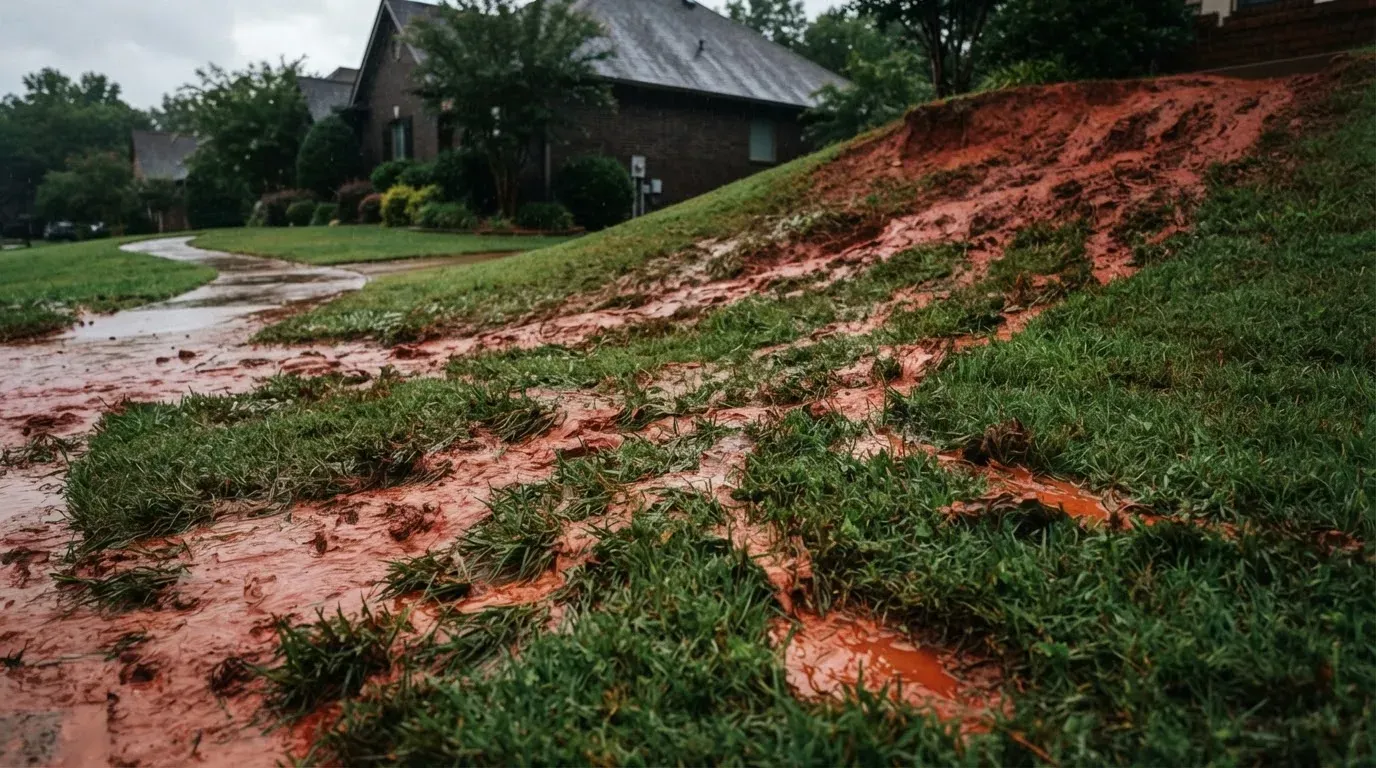
Where the Water Came From Matters
The source of the water affects how much caution a cleanup needs. Clean supply water, used household water and sewage or floodwater carry different levels of contamination risk. Mold is one concern; contamination is another, and a provider should explain how it handles both before work begins.
- Clean water from a supply line, such as a burst pipe: mainly a moisture and drying problem.
- Used household water, such as from an appliance drain: carries more contamination than clean supply water.
- Sewage or floodwater: a health hazard beyond mold. Keep children and pets out of it and ask a provider how contaminated materials are handled.
- Ask your provider which of these applies to your loss and why.
Insurance, Moisture and Mold
Whether mold is covered depends on your policy wording and on the cause of the water. In its weather-event guidance, MID states that the standard homeowners policy does not cover flood damage and says to check whether it covers sewer back-up. Ask your insurer directly about mold. This page is general information, not legal or insurance advice.
- Report the loss and photograph the damage; MID also recommends temporary repairs to prevent further loss and keeping receipts.
- MID Consumer Services: 601-359-2453 or 800-562-2957.
- Mississippi caps public adjuster fees at 10 percent of a settlement (Miss. Code §83-17-523, HB 1174, effective July 1, 2025).
If the water came from the city's water or sewer service, find out who to call first in Olive Branch before you start cleanup. For the other steps, return to the Olive Branch water damage overview.
If That Did Not Work
If mold is still there after cleanup, or the area keeps getting wet, there are three exits: try again, take another route, or contact a regulator. Ask each provider about availability and how they will find the moisture source.
- Try again: go back to the provider you hired and ask whether the moisture source has been fixed.
- Another route: ask a second provider or a qualified plumber or roofer to look at the moisture source, or contact your insurer about the loss.
- Who to contact: MID Consumer Services at 601-359-2453 or 800-562-2957 for an insurance problem, and MSBOC about a contractor working without a valid license.
Repeated stains overhead are covered in the ceiling leak guide; the Olive Branch overview lists every guide on this site.
Frequently Asked Questions
How fast can mold start after water damage in Olive Branch?
Do I need to test for mold?
Does Mississippi license mold remediators?
Does the health department remove mold from homes?
Does homeowners insurance cover mold?
Does sewage add risks beyond mold?
Water in your home right now?
See who to call first in Olive Branch, how to reach your water provider, and how to check your flood zone.
Who to Call First in Olive Branch